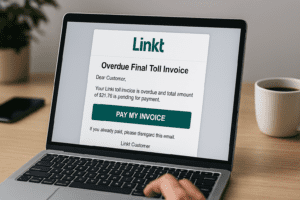
SMEs keep being told that cybercrime is “evolving”. That’s wrong. It has already evolved, and most businesses are still acting like it’s 2018. Deepfake bosses, perfect phishing emails and AI‑driven scams aren’t “emerging risks”. They’re active, industrialised, and targeting Australian businesses every single day.
The uncomfortable truth:
Most SMEs are wildly unprepared, and cybercriminals know it.
Deepfakes Will Break Your Trust Before They Break Your Bank Account
Everyone thinks they’d spot a fake. They won’t. Criminals can now clone your CEO’s voice, face and writing style with frightening accuracy. Entire video calls can be fabricated. One global company lost US$25 million because its staff trusted what they saw on-screen.
If your business still relies on “gut feel” to verify payments, you’re already a target.
Ransomware Isn’t a Crime Wave – It’s a Business Model
Attackers now run like professional service firms. They encrypt your systems, steal your data, then offer “support” once you pay. Clinics, accountants, trades and councils are hit because they’re easy, not because they’re unlucky.
Backups won’t save you when criminals threaten to leak your client data anyway.
Perfect Emails Are the New Trojan Horse
Forget dodgy grammar. Scam kits now generate flawless, industry‑specific emails that look exactly like your bank, supplier or software vendor. They scrape your website, LinkedIn and old breach data to tailor the attack.
If your team still clicks first and thinks later, it’s not a matter of if, it’s when.
The Real Problem: Human Behaviour, Not Hackers
Nine out of ten breaches come down to people under pressure. Not stupidity. Not carelessness. Just humans being human. Traditional training doesn’t fix this. In fact, annual e‑learning often makes people more resentful and less alert.
Cybermate exists because behaviour beats theory every time.
What SMEs Must Do Now
- Lock down the basics: MFA, updates, unique passwords, and offline backups.
- Set hard rules for money and identity: no bank‑detail changes via email, no urgent payments without verification.
- Make your own communications predictable so staff can spot fakes.
- Train people frequently, briefly and with real‑world examples.
- Stop shaming mistakes – celebrate near misses so people speak up.
The Bottom Line
AI has supercharged cybercrime, and SMEs are the easiest targets because they still believe “it won’t happen to us”. It will. The only question is whether your people are prepared when the scam lands in their inbox, on their phone or in their next video call.